10 Tips on How to Make a Resume

May 24th, 2009

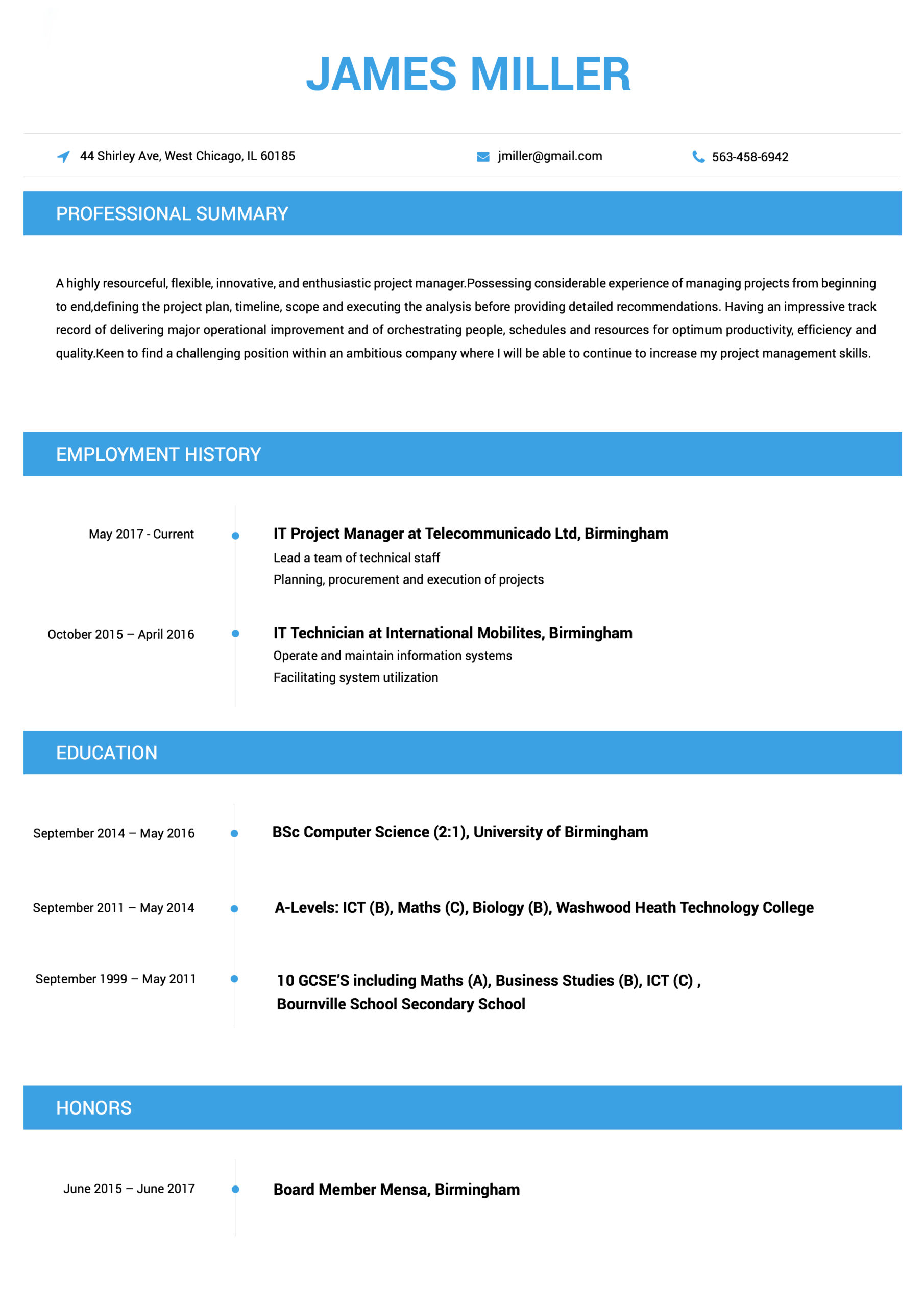
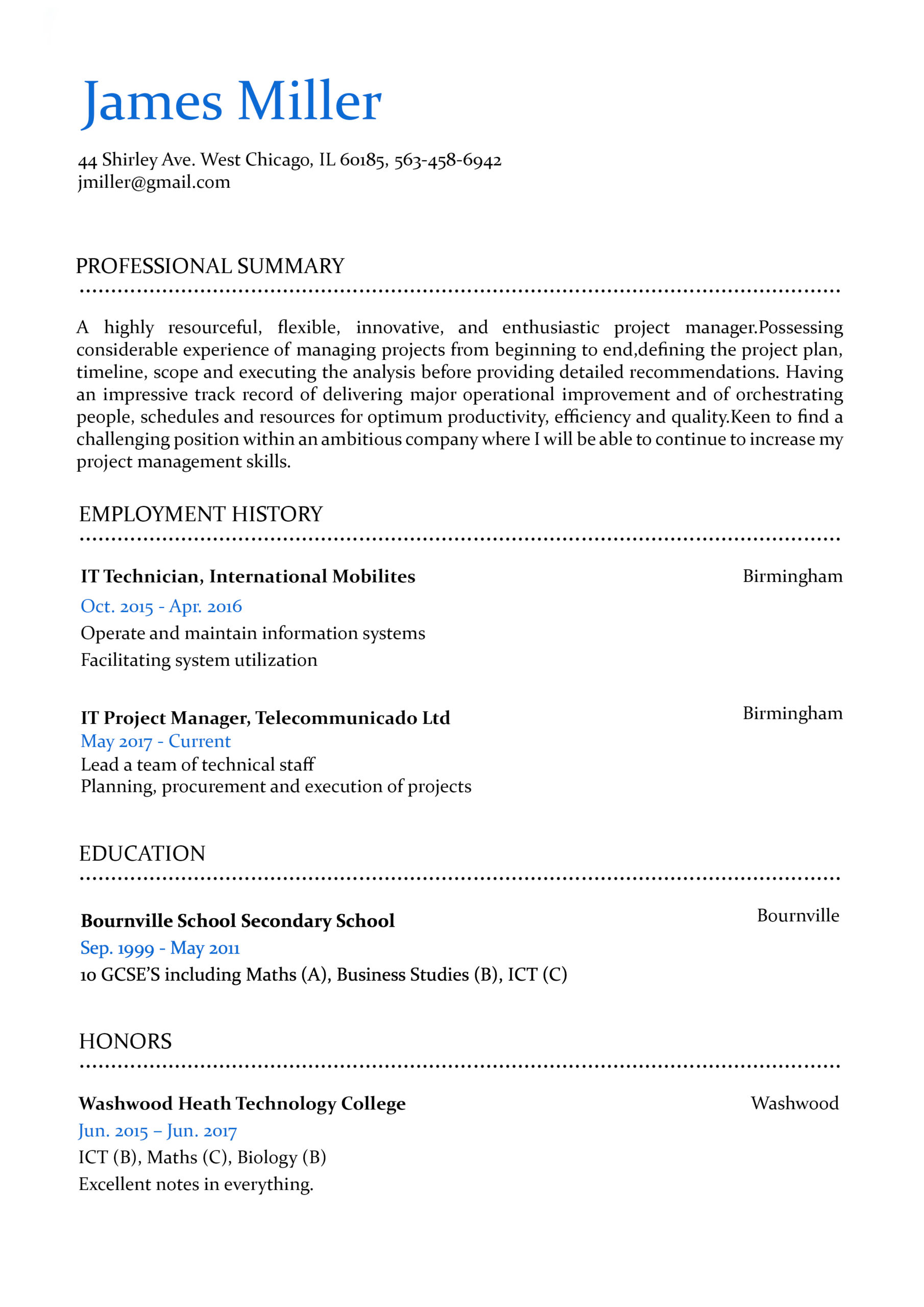
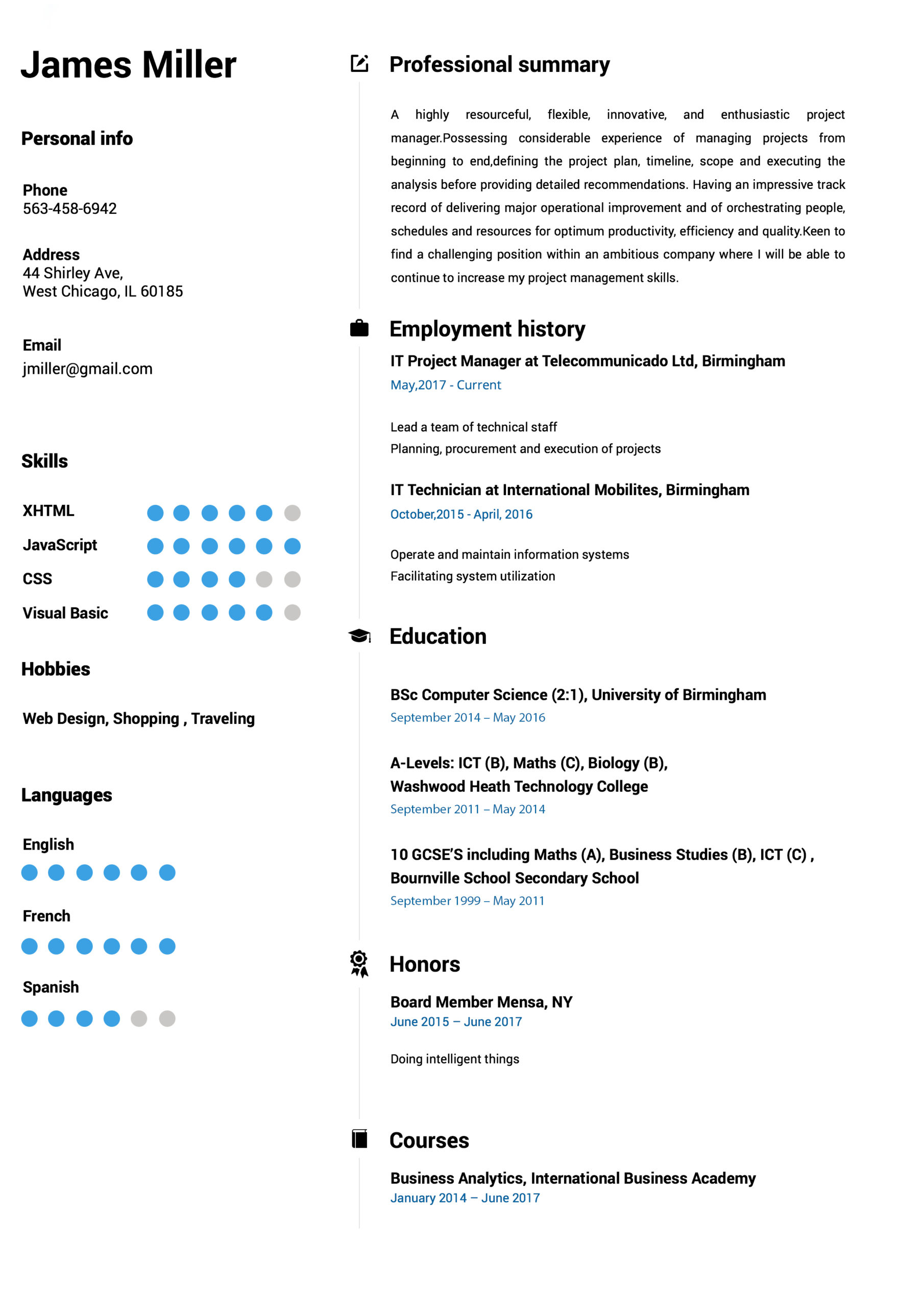
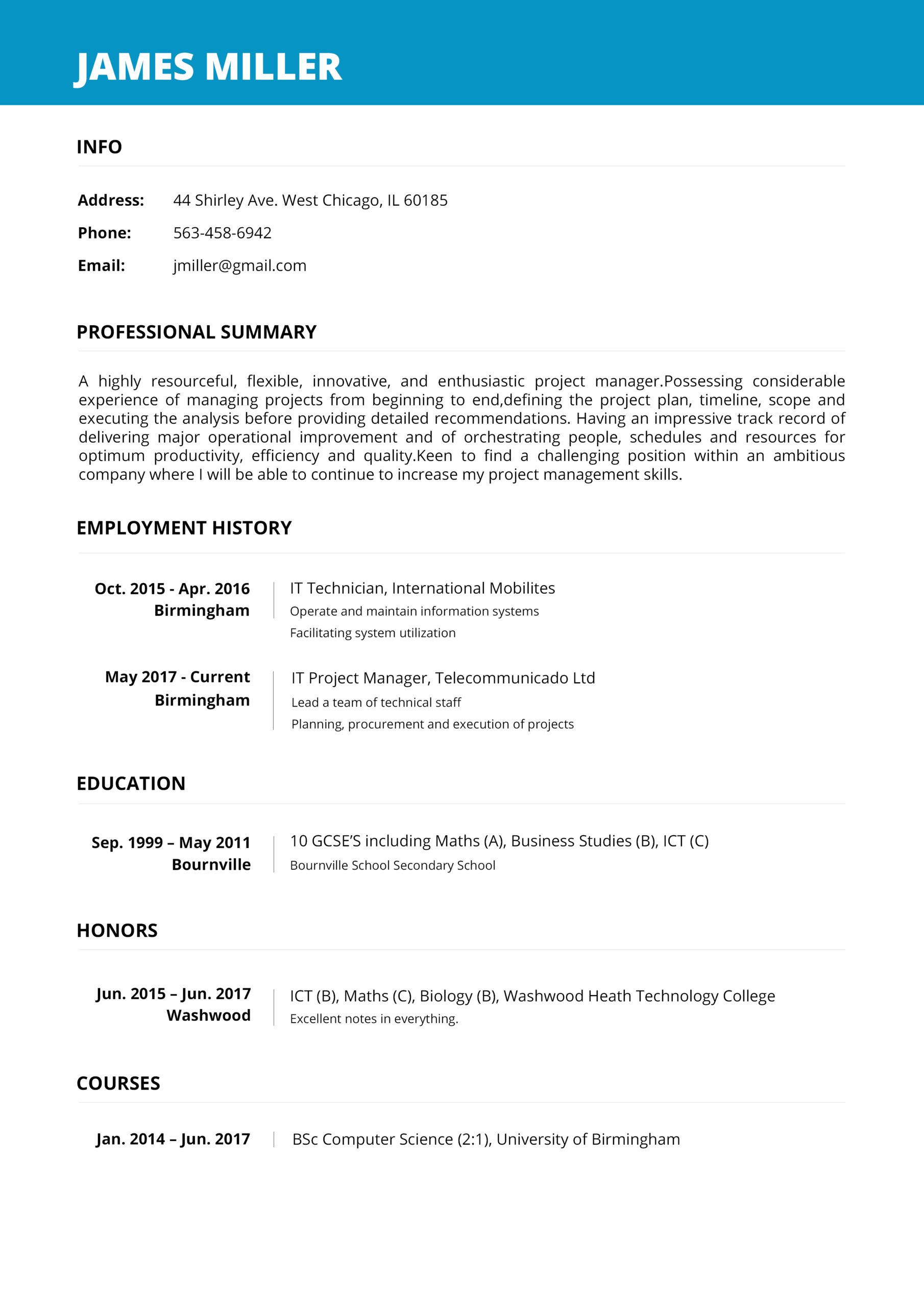
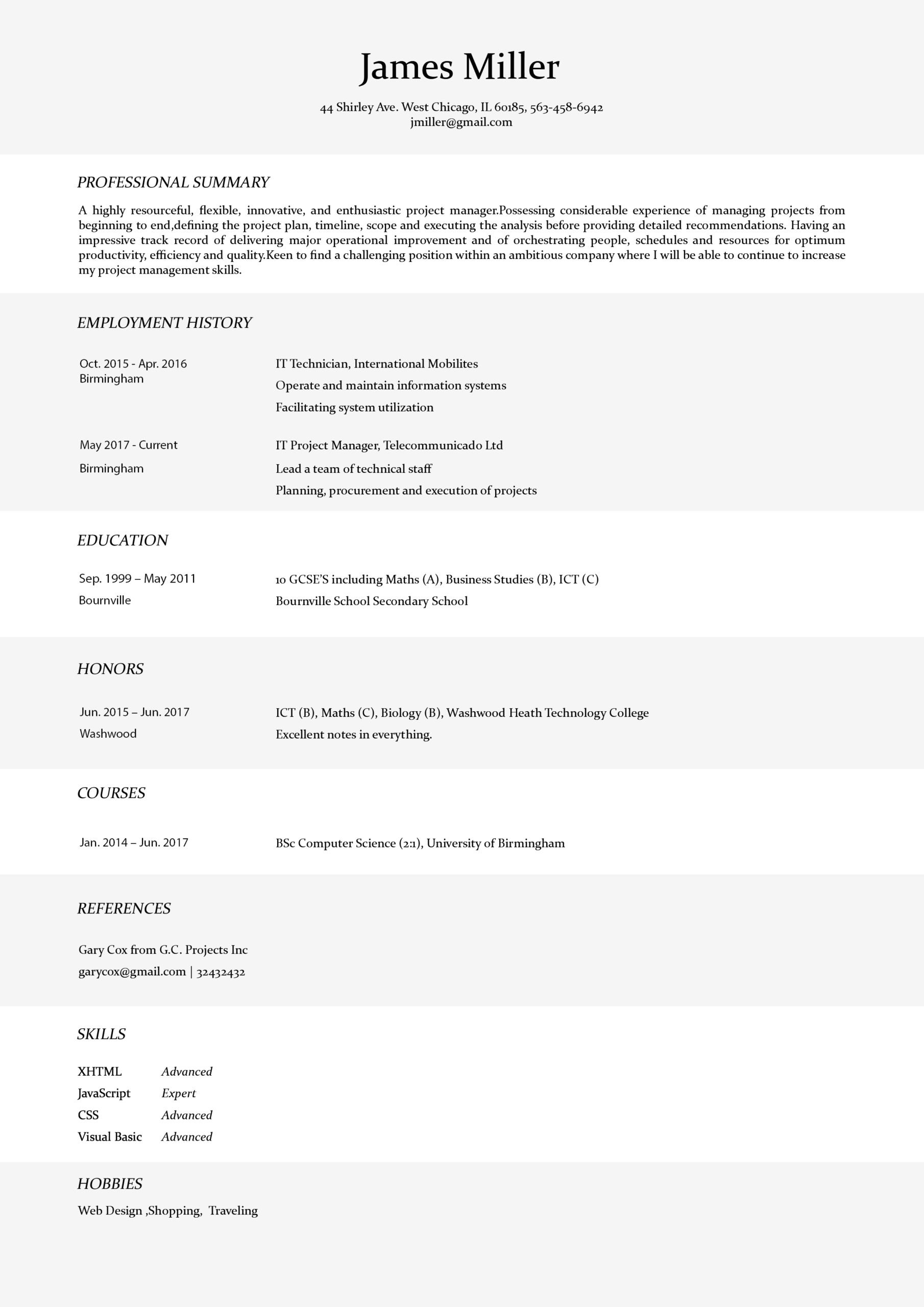
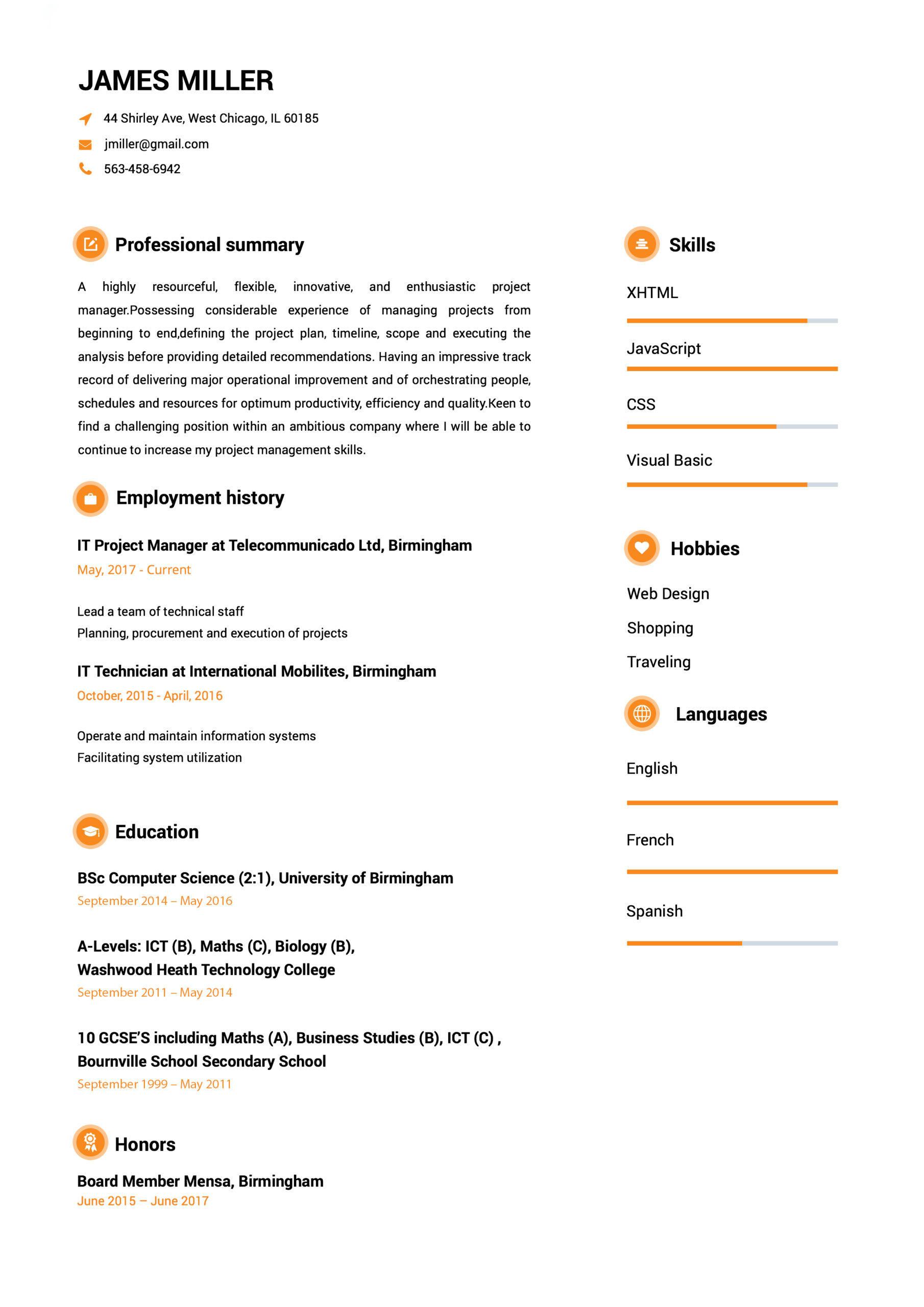
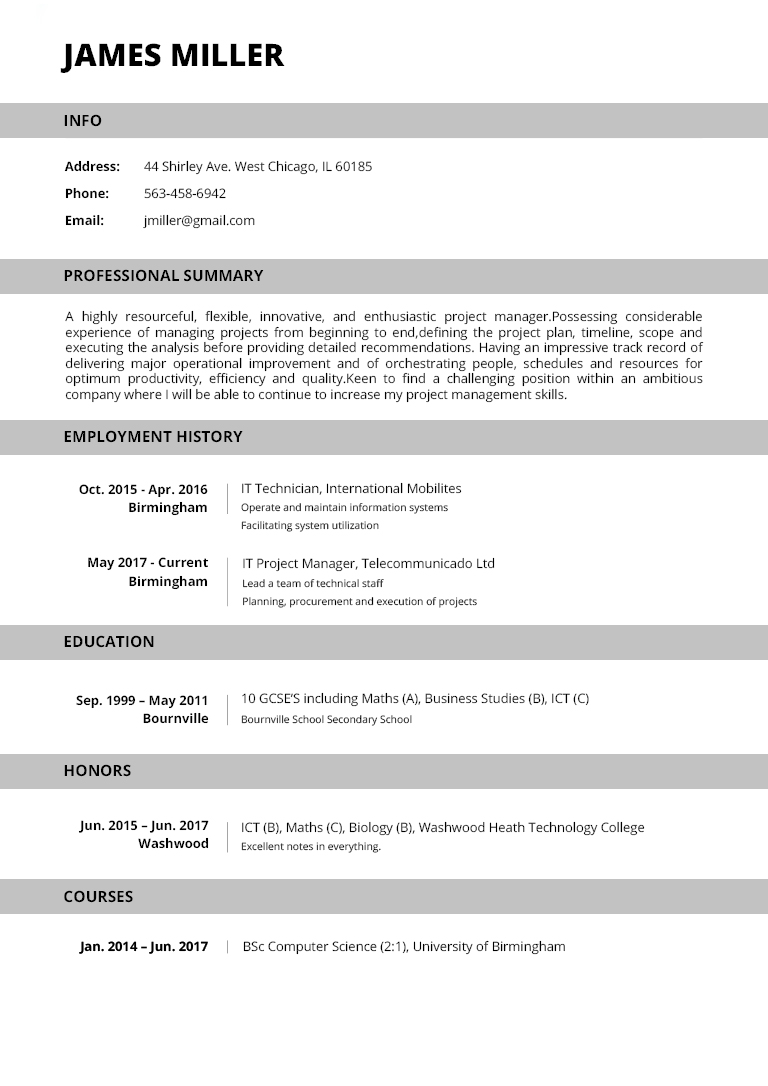
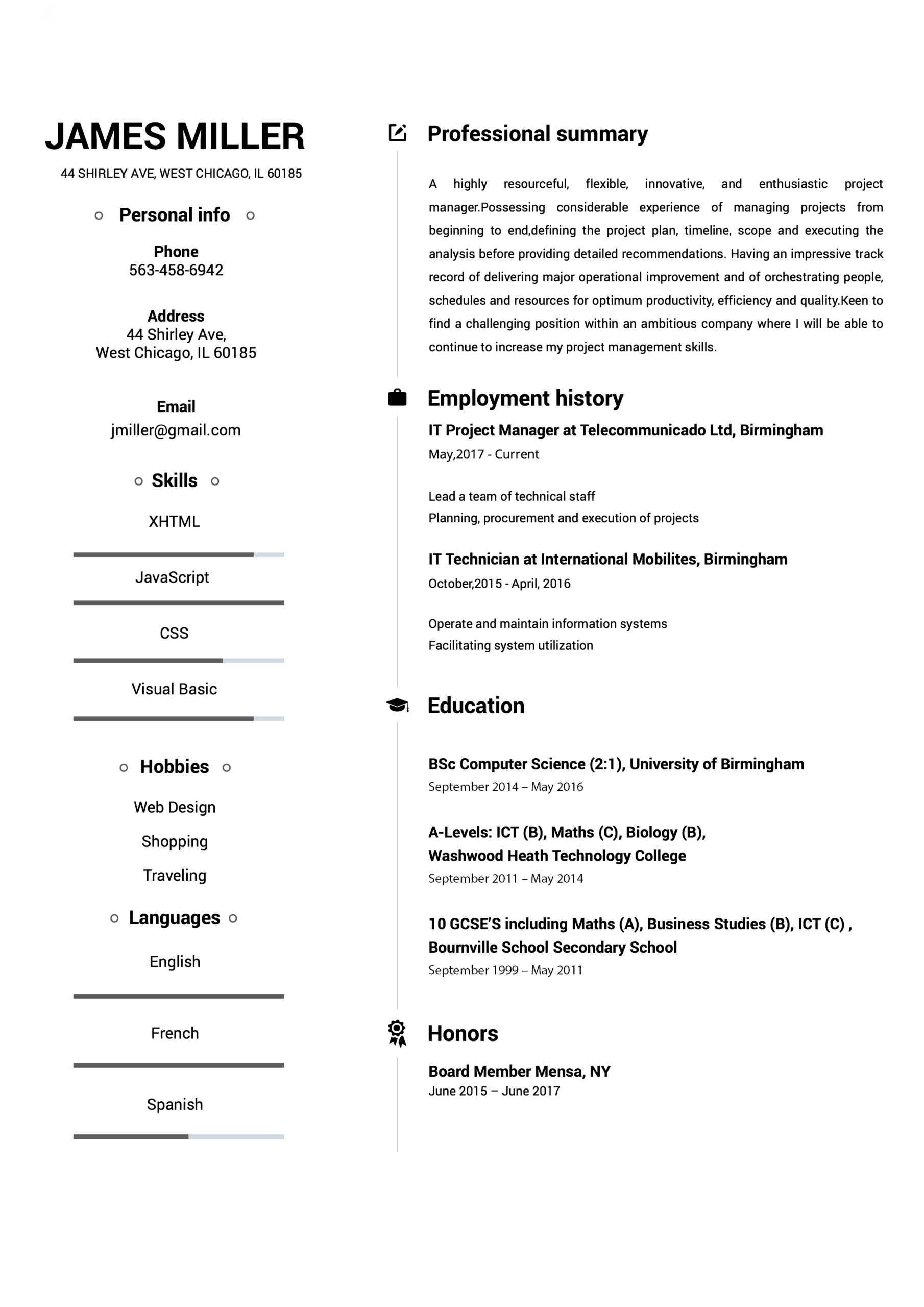
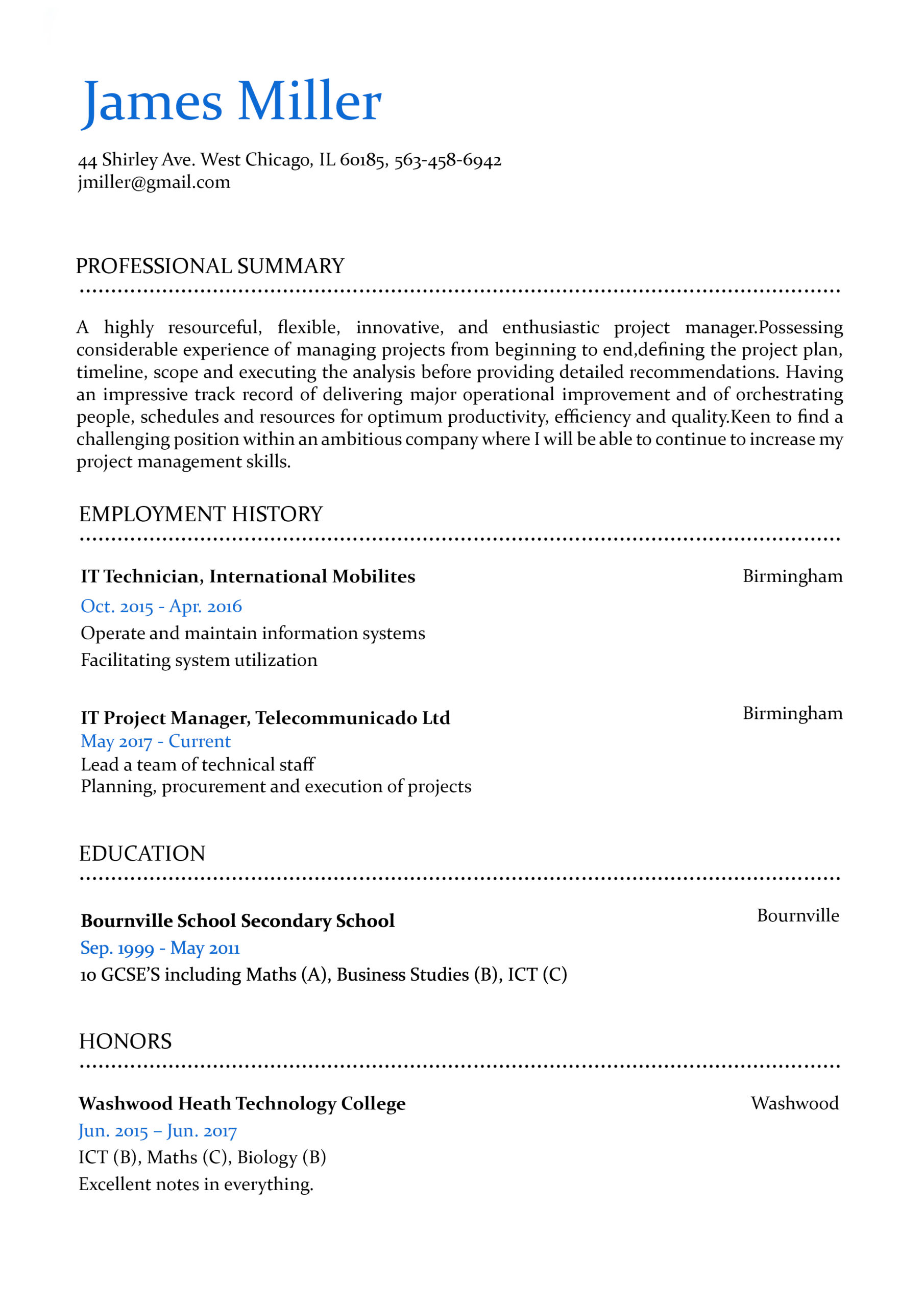
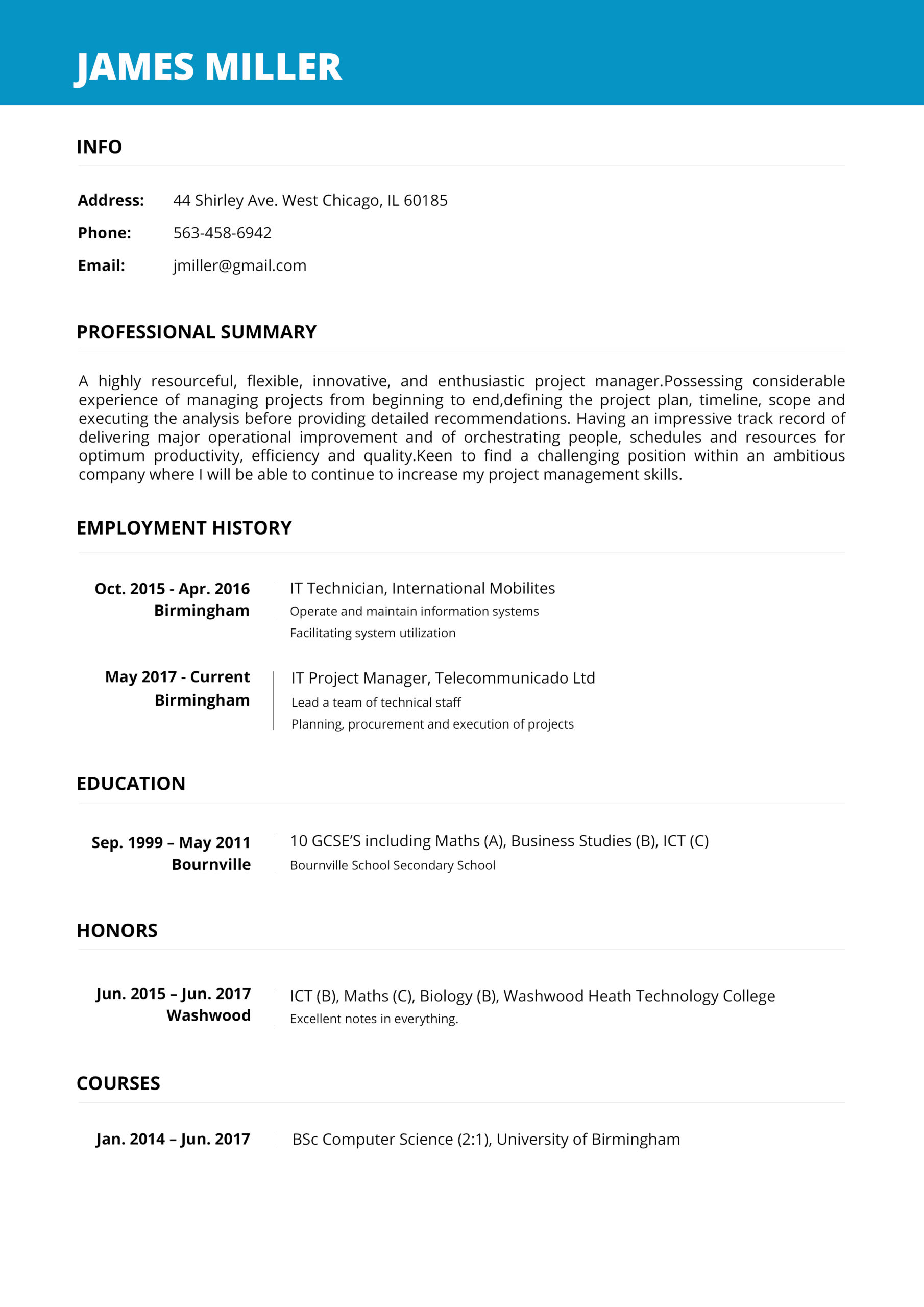
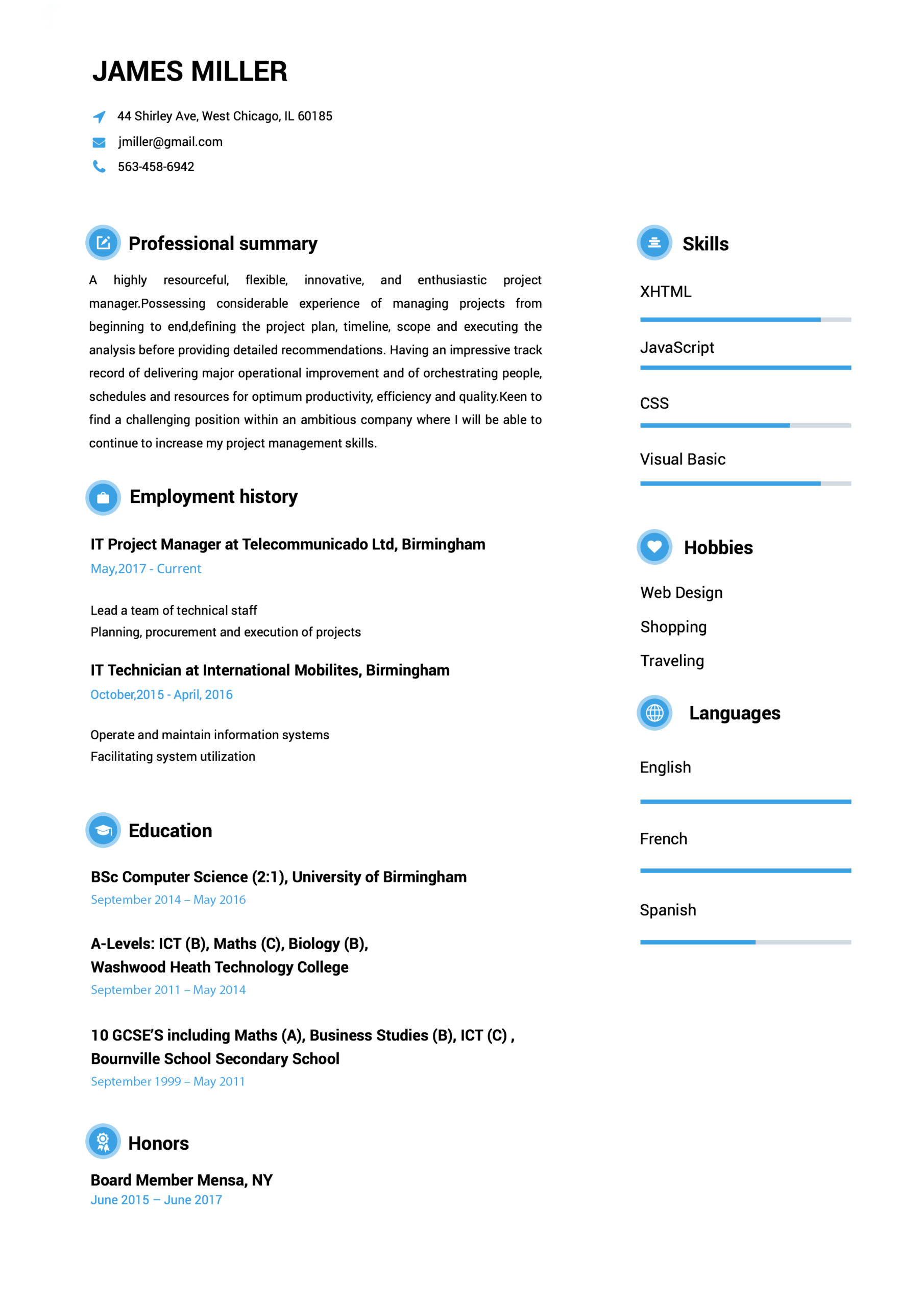
1. Base your resume on simplicity. A resume is the first and probably the last opportunity to ensure an interview. It is therefore extremely important that your resume work in your favour and not vice versa. Use it to draw attention on your work force, on your achievements, and on your technical knowledge.

2. Your achievements should occupy an important place. It is very good to use a series of active verbs, such as I made, I planned, I organized, I was responsible for, I controlled, etc. It is not recommended to use all kinds of signs for organizing your ideas; a resume can be read more easily if it is clear.

3. Reversed chronology is important. When you start to complete your experience, you must start with the last job and then to continue in the same reversed chronological order with the following, without forgetting to mention the employer’s name, the beginning and end date of your job, the title of the job and a short description of it, plus your achievements. If you are looking for a job for the first time, you should complete any relevant experience, paid or not.

4. Be honest. If you lie in a resume, not only you do not do any good, but also at the same time, you make potential employer lose time for nothing. To add six months of extra experience in a job may seem a good idea, but if the information is verified, make sure you will not get the job. However, do not sell yourself too cheap either! If you think that the three summers you spent in France, working as a volunteer, have helped you to know the country and its culture, then say it!

5. IT skills are important. You have to write absolutely everything you can do on computers: hardware knowledge, software, programming languages, databases, etc. In addition, do not mention things that you have not done lately, or worse, what you have never done. If at the interview you are asked about that operation, you will feel ridiculous, not knowing what to answer.

6. Education. Pay close attention to your big achievements during the faculty. Nevertheless, this is no longer relevant if you work in a specific area for more than two years.

7. Organize your resume. Do not reduce your resume as long as the content is relevant to the job for which you have applied. If the possible employer is annoyed reading your resume, he or she will quickly lose interest.

8. Grammatical mistakes. No employer will seek a person who has not bothered to correct his or her own mistakes. Do not rely on a quick viewing of your resume, read it over two or three times very carefully.

9. Two pairs of eyes. After you have checked it yourself, ask someone to read your resume, as somebody who is not used to reading such material can easily detect mistakes. Do not try to fill your resume at once, always come back to it, and check it after a few days.

10. References. Check your references before you use them. There is nothing worse than to use the name of a person who either moved or has something against you. The best people you need to use for references may be your current employer or a professor from college or high school.

An Effective Resume

July 13th, 2010

A smart man once said that if you want to be successful you must help people around you to have success. When we seek a new job, the only thing that worries us is to find a good company, a high salary and to be hired in a top position in the hierarchy of the organization. In one word, we are only concerned about our own success. From this perspective the recruiter, who receives our resume and interviews us is an obstacle. He or she is an enemy, standing between us, and the sublime situation, in which we already have all the things listed above.

What I will propose at this moment is to try to change this paradigm, which is so widespread. As I said before, if we want to be successful we have to help others be successful. We wonder now how we could help, as a candidate, the recruiter in front of us to have success.letter opener

The answer is very simple if we try thinking the way they do. The recruiter is just a man whose job is to find suitable candidates. He wants to find them as easily and fast as possible. He wants to prove his boss that he is an efficient employee, which brings good results. His success is measured in the speed with which he manages to find and hire valuable candidates, who subsequently prove to be employees truly dedicated to the development of the company.

Therefore, if you want to help the recruiter to be successful you have to help him as much as possible to see that you are such a valuable candidate. The first step towards this goal is the way in which you write your resume. The recruiter does not have much time – help him to read as fast as possible your resume. Do not write the resume on more than two pages.

Format your resume so that the information is easy to find. The recruiter has a profile that he is looking for. You do not have to work with human resources to realize that if there is a sales position the recruiter will look after sales results previously obtained, or if a position is PR, he will look after the events in which you were previously involved. Try to sense the profile that they are looking for. Often, it is even published in the recruitment notice. Help him to identify this profile in your previous experience. You can even bold certain keywords if you consider it necessary.

The recruiter does not seek a job description – he is looking for a person, a man who got results, so give up copying your job description in your resume. There you can give details of the projects in which you were involved, the results obtained what you learned and the ideas proposed.

The recruiter wants to discover a candidate with personality. It does not mean that you come to the interview looking eccentric, but certainly, you can avoid writing your resume in the format of the European Union, for example.


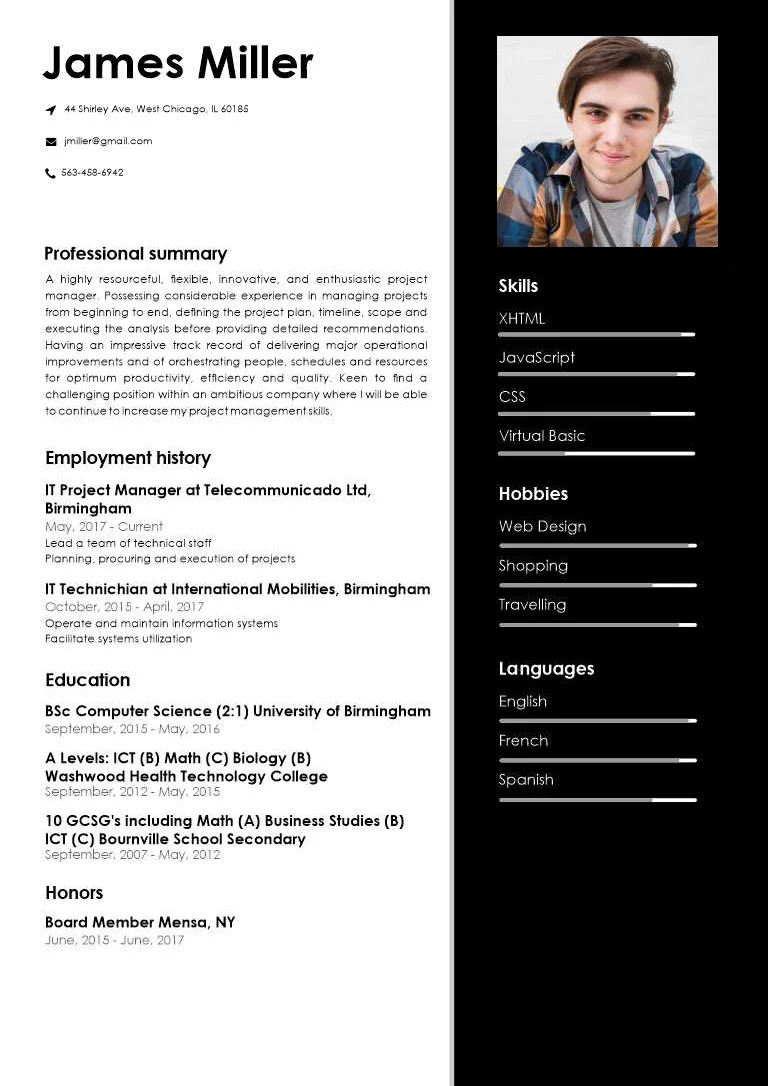
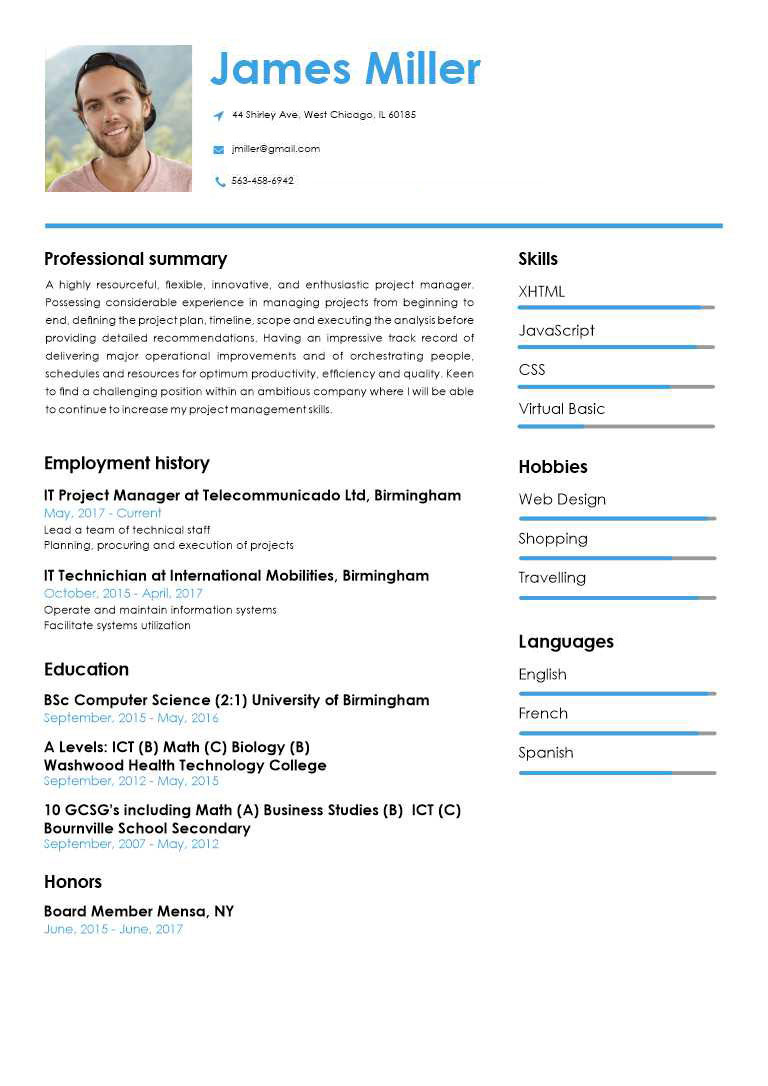
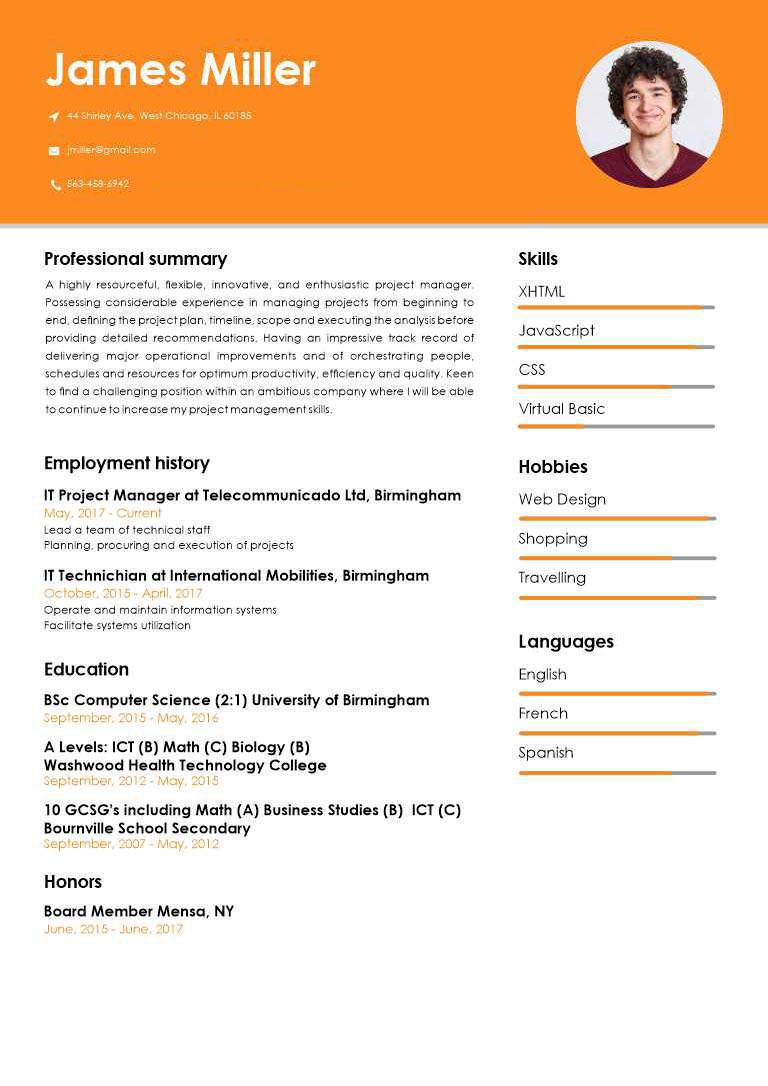
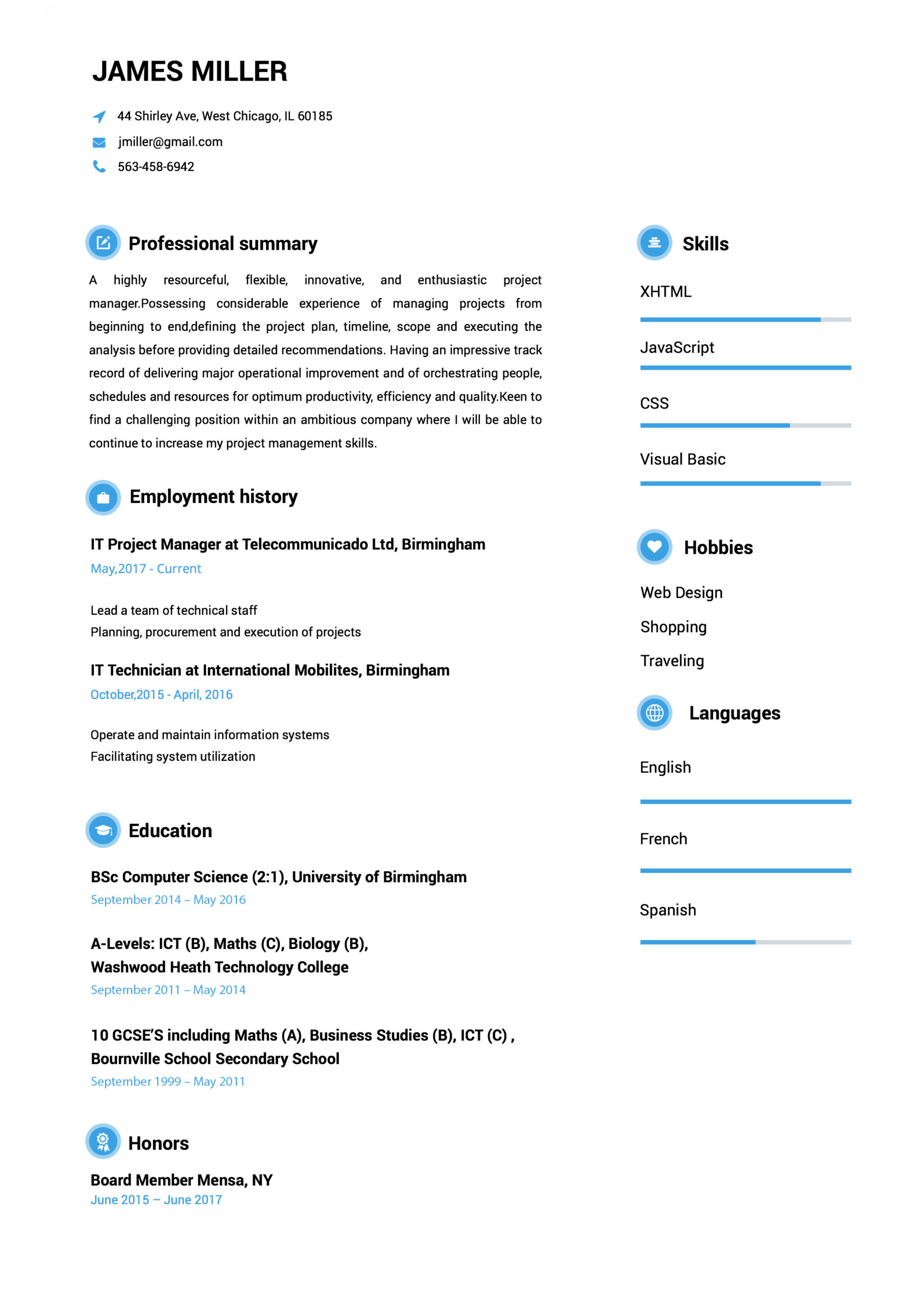
What a Resume should look like?

July 5th, 2010

A resume is the starting point in any selection process. It has become a kind of business card for anyone. The resume should be understood as a marketing tool, sort of advertising material which opens or closes the doors of the interview. The goal pursued in drafting a resume should be to provide sufficient and relevant information to prospective employers to help them decide that a person is suitable for a job.

Be careful as a resume is not simply listing years, jobs, schools attended, it should highlight your key qualities and skills, your most important accomplishments so that the employer should be convinced that you are a person whom he or her is seeking.

The problem is now what a resume should look like, how to conceive a resume. There is vast literature related to how to draw up a resume. However, we can say that there is not a standard form of a resume widely accepted and recognized. The first step is a honest self-evaluation and compiling a list of the qualities, aptitudes and personal skills.

Most of the candidates can say that they have a large range of skills and personal abilities, but the proof of their existence through achievements or the context in which they have acquired them will ensure the credibility of your resume.

Then choose the type of resume that is right for you or which is the best for the job concerned.
The resume can be organized chronologically by stages from the current period (the most recent activities) continuing in reversed chronological order until the beginning of your most important activities.

A functional resume focuses on the achievement in itself, regardless of their timing. The applicant shall mention the jobs he or she has previously had, with a special emphasis on the tasks carried out and the achievements, focusing on those that directly relate to the job in question.

To continue with, a resume can also be written biographically and it is recommended to people who have acquired experience through voluntary work (unpaid) with the aim to improve individual traits, skills, and personal qualities of individuals rather than strictly professional performance.

In general the most frequently used is the chronological resume, but you can also use the functional resume (recommended to people who have a career consolidated in a specific field and have achieved some successes, or people who have changed more jobs). The biographical resume is recommended to people who have conducted an extensive volunteer work.

As far as the aspect of a resume is concerned, being recognized as a marketing tool, it is up to each person how to draw up a resume and, to make a personal ad.
However, there are some important issues:

• Use a white sheet, A4

• The resume is not handwritten, but typed

• The printing is on one side of the page
• Try to write maximum two pages;
• Separate sequences (boxes) through space;

• The resume is not signed;
• Writing must be fair both in terms of spelling and grammar;
• Do not load your resume with many types of underscores the many types of characters.

Advice on How to Make a Resume

May 31st, 2010

Everybody may consider useful some advice on how to make a resume. We are willing to provide some interesting pieces of advice that you must not ignore. If a company where you have worked in your country has had several names, choose the one that could have greater resonance. That name may sound like big company names around the world. If the company has been taken over by an international company, use the current name and especially the name of that international company.

Besides, write only the name of the company. Avoid writing the town and the country where the company is unless the company is important in EU countries: France, England, Germany, Spain, etc.

Try to think like an employer and understand what they want to read and write only those things. Try to insert in your resume descriptions of the different positions that you have found posted, because they want to read and are interested in such clichés.

Many employers get your resume in doc format and they hit search in the resume base using the keywords they want them, so respect their phrases in the position description. Learn to use copy / paste. In addition, to express what you have done in your country use international words and expressions to describe equivalent positions to you had done before. Just be careful that all the verbs are put in the past.

Try to keep the document as simple as possible, without many exaggerations, which may be annoying. Possibly save the document as an RTF format that is recognized by many text-editing platforms. Make customized resumes for each position where you apply, meaning that you mention only those things that match what the employer requires in the position description.

Try to keep a copy of resumes sent along with a copy of the position description and the company name. Later it will be much easier to identify what you have written and what you have to say at the interview to match the resume you have sent. Mismatches between the resume and the interview are the sure way to rejection.
example-cover-letter-e-resume


Make a long resume with everything you consider useful and necessary to mention in the future personalized resumes. Later you will be able to obtain very quickly a custom resume only removing from the long resume everything that is excessive.

Many people come from environments where they are used to have their documents checked carefully. The work record is a document that proves qualifications, jobs, wages, etc. The entire professional life of a person is registered there in detail, sealed and authenticated. An employer can find out everything about your work just browsing it.

Fortunately, in many countries your previous work has no value. It is more important what a person knows and can do than their past positions. To draw the attention of an employer in most of the developed countries all you need is a resume, which should not follow your previous record of work. In the case of large companies for well-paid positions, however, specialized companies pay to check “Work History” as well as the studies reported in the resume, so be careful not to be caught with red handed. We can continue, but for now we stop here and we do hope this advice on how to make a resume can be helpful!

Latest Resume Auctions

May 14th, 2010

Hey, check out these auctions:
[eba kw="resume" num="2" ebcat="all"]
Cool, arent they?

How to Write a Resume and Get a Job

May 13th, 2010

Product Description
How To Write A Résumé And Get A JobFinding a job can be nerve-racking. It’s hard to know even where to begin: Where are jobs listed? What skills do you need? How can you make your résumé stand out? A job hunt involves many unspoken rules that can’t be broken, and it’s easy to unknowingly hurt your chances.In How to Write a Résumé and Get a Job, the Reverend Luis Cortés Jr. supplies you with the necessary information for securing a promising job. He will lead you through every step, from searching and applying to negotiating for a better salary, asking for benefits, and enjoying your success. A job isn’t everything, but it is your key to a better future. Following Cortés’s guidance ensures that your search will be a successful one…. More >>

How to Write a Resume and Get a Job

Resume – Writing Attention-Grabbing Resumes – How to write resumes that get noticed, and get you the interview

May 12th, 2010

Product Description
It takes a little bit of knowledge, about what resumes are all about, to write and create an impressive resume that will get you the interview. Writing a resume that just looks good to you, is NOT what it’s all about. It’s about getting you the interview that will lead to getting you the position you want.
The days of getting a great job or a career position, without a resume, are over! Today, all employers who are worth working for require that you have a resume that has the information that they need to know about you. Otherwise, they’ll choose someone else for the position that you want…… More >>

Resume – Writing Attention-Grabbing Resumes – How to write resumes that get noticed, and get you the interview

THE ULTIMATE GUIDE TO EFFECTIVE RESUME WRITING

May 8th, 2010

Product Description
For most of us, the word resume enters our vocabulary just when we are in need of ‘something’, like a new job for example! Very rarely is it seen, as a dynamic part of our everyday life, a necessity or staple, must have, that can open windows and doors of the unexpected and potential widely and frequently – if we let it. Sooner or later, all and any of us will require a RESUME! We best know what it is, how to get and use one, to the best of our ability and advantage. This guide provides you with all the tools and advice, step-by-step guidelines to get your resume writing off to a great start, helping to get a stellar tangible deliverable in hand YOUR RESUME, to take on anything, everything and embrace your opportunities, career, life, future… … More >>

THE ULTIMATE GUIDE TO EFFECTIVE RESUME WRITING

How to Write a Resume if You Didn’t Go to College

May 7th, 2010

Product Description
NOW YOU DON’T HAVE TO BE A COLLEGE GRADUATE TO GET A GREAT JOB! Fierce competition for jobs makes a quality resume more important than ever if you want to set yourself apart from the pack. But what if you didn’t go to college? In this timely book, bestselling career author and consultant Richard Beatty offers specialized real-world advice and real-life sample resumes for non-graduates who understand the power of a great resume. Beatty shows hourly paid earners how to structure a high-impact resume for any job opportunity, covering key components of effective resumes and helping non-graduates market their skills just like graduates do. He offers fundamental resume do’s and don’ts, a step-by-step process for gathering the information you need and writing the resume, and sample resumes and cover letters from applicants for a wide variety of positions, including: • construction worker • administrative assistant • mechanic • el… More >>

How to Write a Resume if You Didn’t Go to College

Guerrilla Marketing for Job Hunters 2.0: 1,001 Unconventional Tips, Tricks and Tactics for Landing Your Dream Job

May 5th, 2010

  • ISBN13: 9780470455845
  • Condition: NEW
  • Notes: Brand New from Publisher. No Remainder Mark.

Product Description
In Today’s Job Jungle, the Guerrilla is King “You’ll learn how to build a compelling new network in days that gets you sit-down meetings with decision makers who can hire you, for jobs that aren’t advertised or don’t even exist yet.”
Kevin Donlin, creator, TheSimpleJobSearch.com; co-creator, The Guerrilla Job Search Home Study Course “This book is brilliant. Packed with stories, examples, and tactics to help you at any point in your job search-this book is all about landing a real job with intense competition in a minimal amount of time.”
Jason Alba, CEO, JibberJobber.com; author, I’m on LinkedIn—Now What??? “Recruiters: read this book! You’re going to need it. When people start following the advice in Guerrilla Marketing for Job Hunters 2.0, you’re going to be looking for a job.”
Shelly Harrison, founder and CEO, Launch Pad “Job hunters don’t need to be told the ‘what’… More >>

Guerrilla Marketing for Job Hunters 2.0: 1,001 Unconventional Tips, Tricks and Tactics for Landing Your Dream Job

How To Make A Great Resume.

May 4th, 2010

Discover The Secret Formula To Landing Your Dream Job In 60 Days Or Less – Guaranteed! Top Affiliate Payouts – Now75% Commission Offered – Highest On CB! Best Converting Salesletter.
How To Make A Great Resume.